
HOME - How to Moderate a Panel Discussion: 2026 Guide
 How to Moderate a Panel Discussion: 2026 Guide
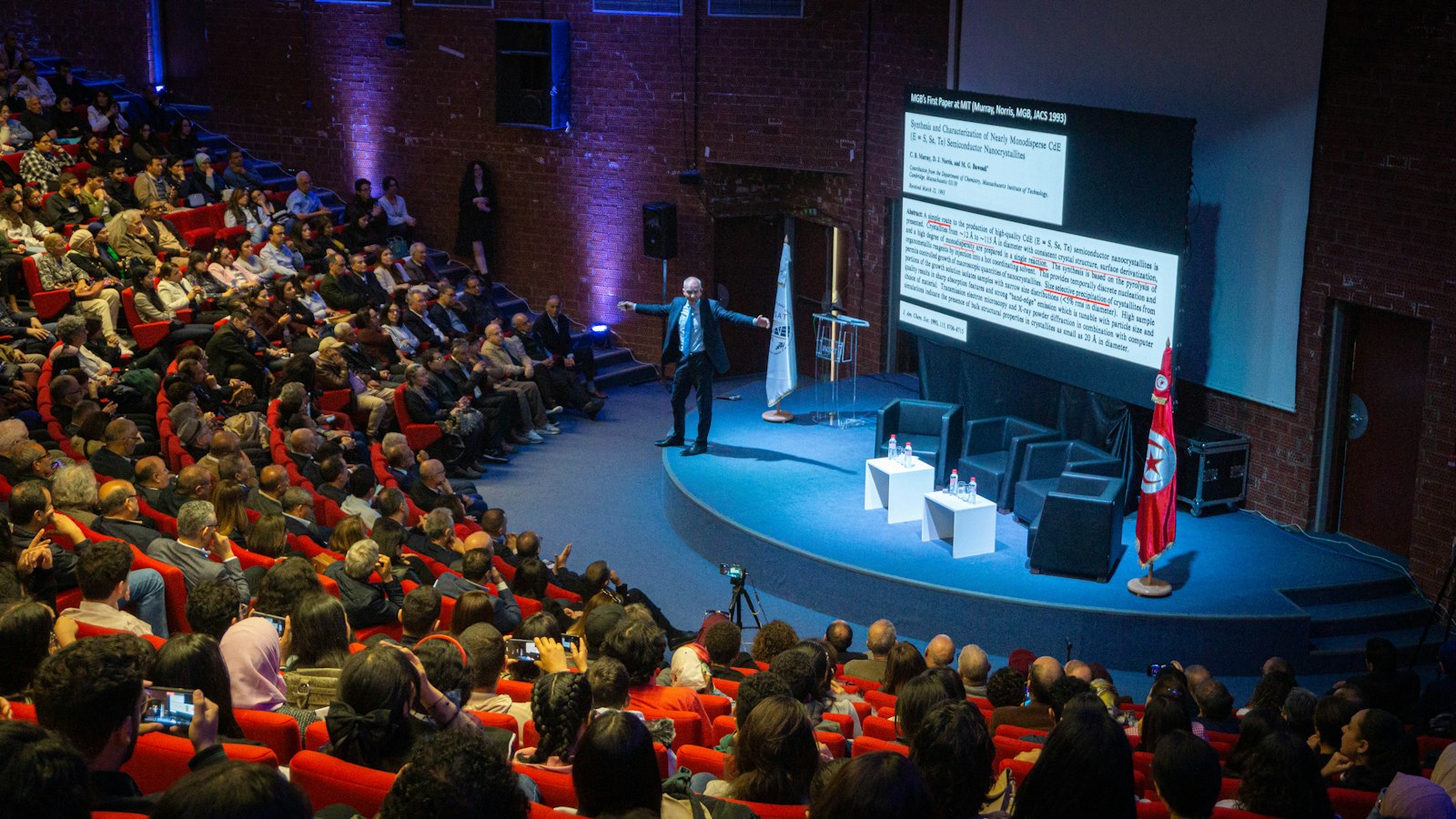
Quick answer: To moderate a panel discussion well, research the topic and each panelist, hold a short prep call, prepare about 10 open questions (at least one per panelist), keep introductions brief, balance speaking time, and protect the clock. Save 10–15 minutes for audience Q&A and end with one crisp takeaway from each panelist.
Key takeaways
- Three to four panelists is the sweet spot; by the fifth speaker, points start repeating.
- Prepare around 10 questions, rank them by audience interest, and never ask everyone the same one.
- Keep each panelist introduction to two or three facts of similar length.
- Plan the clock: a 45-minute panel needs roughly 5 minutes of intros, 25 of discussion, 12 of Q&A and 3 to wrap up.
- The moderator is the audience’s representative, not a fifth panelist.
By Anchor Aiman, corporate emcee, conference host and panel moderator, Delhi NCR · Last updated: 21 November 2026
What does a panel moderator do?
A panel moderator guides a conversation between experts so the audience gets useful, balanced insight in the time available. She sets up the topic, introduces the speakers, asks and sequences questions, manages time and handles audience questions.
Think of the moderator as the audience’s representative on stage. Her job is not to show how much she knows, but to draw the best thinking out of the panel and keep it relevant to the people in the seats. At conferences, author talks and leadership summits I host across Delhi NCR, the panels that people remember are almost always the ones where the moderator spoke the least and listened the most.
How do you prepare to moderate a panel discussion?
Prepare in three layers: the audience, the topic and the panelists. Most of a moderator’s work is done before she walks on stage.
- Define the goal (2–3 weeks before). Ask the organiser three questions: Who is in the audience? What do they want from this session? What should they walk away with? Poll Everywhere’s moderation guide recommends starting exactly here (Poll Everywhere: panel moderation tips).
- Research the topic (1–2 weeks before). Read recent news, reports and the panelists’ own articles or LinkedIn posts so you can ask sharp follow-ups and spot when a discussion drifts.
- Hold a prep call (about a week before). A 20–30 minute group call lets panelists hear each other’s angles, avoid overlap and flag topics they would rather skip. Confirm titles and the correct pronunciation of every name, and write it phonetically on your cue card, as Toastmasters advises (Toastmasters Magazine, June 2023).
- Write the run sheet (2–3 days before). Questions, timings, AV cues, mic plan and who goes first.
- Do a green-room huddle (on the day). Five minutes to agree on signals: a raised cue card for “wrap up in 30 seconds”, and who takes the first audience question.
How many panelists should a panel have?
Three or four panelists plus a moderator works best for a 40–60 minute session. That gives each speaker enough airtime for real depth.
Entrepreneur and event organiser Scott Kirsner, quoted by Poll Everywhere, notes that by the fifth panelist people often just repeat what has already been said. In Indian corporate events there is often pressure to add “one more senior name”. If you must have five, extend the session to at least 60 minutes or split it into two shorter panels.
What is a good run of show for a 45-minute panel?
A good 45-minute panel spends just over half its time on discussion and keeps a protected block for audience questions. Here is the structure I use most often.
| Segment | Time | What the moderator does |
|---|---|---|
| Set-up and why it matters | 2 min | States the topic and why it matters to this audience |
| Panelist introductions | 3 min | Two or three facts each, similar length |
| Opening question | 5 min | Broad, easy question everyone can answer briefly |
| Core discussion | 20 min | Targeted questions, follow-ups, invites friendly disagreement |
| Audience Q&A | 12 min | Takes 4–6 questions, keeps them short, spreads them across panelists |
| Lightning round and wrap-up | 3 min | One-line takeaway from each panelist, thanks, hand-over |
For a 30-minute slot, cut the core discussion to 12 minutes and Q&A to 8. For 60 minutes, add a second discussion theme rather than stretching the first.
What questions should a moderator ask a panel?
Ask open, specific questions that invite stories and opinions, not yes-or-no answers. Prepare about 10, ranked by what the audience cares about most, and expect to use only six or seven.
- Opening: “In one minute, what has changed most in your industry in the last year?”
- Experience: “Tell us about a decision that went wrong and what it taught your team.”
- Contrast: “You work in a start-up and you in a large company. Where do you see this differently?”
- Practical: “If someone here wants to start on Monday, what is step one?”
- Future: “What will we be discussing on this stage in 2027?”
Two rules from experience: don’t send every question down the line in the same order, and don’t make every panelist answer every question. Direct each question to the person best placed to answer, then invite one other view.
How do you handle a panelist who talks too much?
Step in politely but early: thank the speaker, summarise their point in one line, and pass the conversation to someone else. Waiting too long makes the interruption feel harsher.
Lines that work well on Indian stages, in English or Hinglish:
- “That’s a great example, and I want to bring in Priya on exactly that point.”
- “Let’s hold that thought for Q&A, because I know the audience will want more.”
- “We have about ten minutes left, so a quick 30-second answer from each of you.”
For a quiet panelist, do the opposite: ask a question you know they can answer from the prep call. Toastmasters also suggests avoiding praise such as “good point” for some answers only, because it implies the others were weaker.
How should you run audience Q&A?
Announce the Q&A rules at the start, keep a roving mic ready, and collect questions in batches of two or three so more people get a turn. Always have two backup questions in case the room is shy.
- Ask people to state their name and keep it to one question.
- Use a live tool such as Slido or a QR-code form for large halls or shy audiences; it lets people upvote the best questions.
- If a “question” turns into a speech, step in: “What is your question for the panel?”
- If nobody raises a hand, count silently to five, then use your backup question. Ending a minute early is better than an awkward silence.
What is the difference between a panel moderator and an event emcee?
An emcee runs the whole event; a moderator runs one conversation within it. At many conferences in India, one experienced anchor does both, which keeps the energy and voice consistent all day.
The emcee opens the event, manages transitions, keynotes, awards and breaks. The moderator goes deep on one topic with the panel. If you are planning a conference, it helps to brief your anchor on both roles together. You can read more in our guides on the difference between an emcee, anchor and host and the corporate event planning checklist for HR teams.
Should you hire a professional moderator for your conference in Delhi NCR?
Hire a professional when the panel is high-stakes: senior leaders, media present, a mixed Hindi–English audience or a tight schedule. An internal leader can moderate a small team session well, but a trained anchor protects time and keeps the panel neutral.
A professional moderator also handles the parts organisers forget: mic checks, name pronunciation, last-minute panel changes and a smooth hand-over to the next session. For mixed audiences, a bilingual Hindi-English anchor can make a technical panel feel accessible to the whole room. Before booking, use our list of questions to ask before hiring an anchor.
I host and moderate conferences, leadership summits, author talks and award nights across Delhi, Gurgaon and Noida and travel across India. See my corporate event hosting services or contact Anchor Aiman to check dates for your 2026–27 events.
Panel moderation checklist
- Audience, goal and takeaway agreed with the organiser
- Prep call done; names, titles and pronunciation confirmed
- About 10 questions ranked; 2 backup audience questions ready
- Run sheet with timings shared with the stage manager
- Mics: one per panelist plus a roving mic for Q&A
- Time cards or a visible countdown clock agreed
- Closing line and hand-over to the next session written
Frequently asked questions
How long should a panel discussion be?
Most panels work best at 40–60 minutes. Under 30 minutes rarely allows real depth, and over 60 minutes tends to lose attention unless the session has two clear themes.
How many questions should a moderator prepare?
Prepare about 10 questions, with at least one for each panelist. In a 45-minute panel you will typically use six or seven, plus follow-ups.
Should panelists see the questions in advance?
Share the themes and the opening question in advance, but not every follow-up. That keeps answers prepared yet spontaneous.
How long should audience Q&A be?
Plan 10–15 minutes for a 45–60 minute panel, which usually fits four to six questions. Keep two backup questions in case the audience is slow to start.
Can the event emcee also moderate the panel?
Yes. Many conferences in India use one experienced anchor for both roles. Brief them on the panel topic and panelists at least a week before.
How do you start a panel discussion?
Start by saying why the topic matters to this audience, introduce panelists briefly, then ask a broad, easy opening question that everyone can answer in a minute.
0 Comment